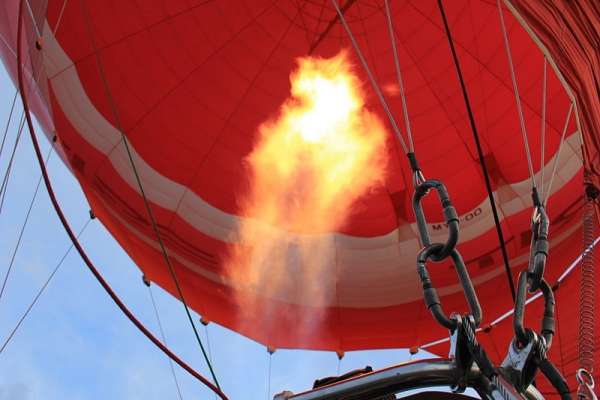
A hot air balloon needs hot air to fly. The operator first ignites a propane burner to fill the balloon with air.
Hot Air Balloons And Gas Laws By Emily Taylor By Emily Taylor
Gas laws and how hot air balloons work (chapter 5 covers gas laws…how are they relevant to how hot air balloons work?) gas laws and sports (how to throw a curve ball, how do gasses impact the flight of a football, soccer ball, baseball, which is a pitchers versus hitters park and way with respect to gasses and gas laws, etc)
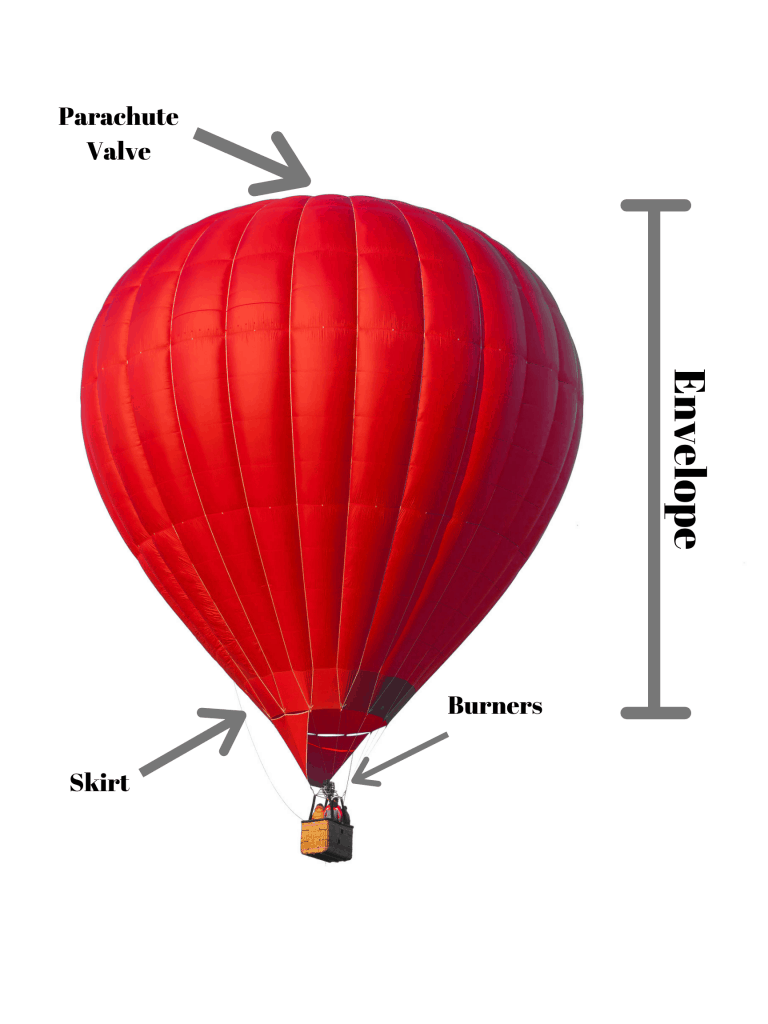
How do hot air balloons work gas laws. Hot air balloons facts for kids When liquid propane is heated, it turns into a gas. Charles's law says that the volume of a gas is directly related to the temperature of that gas, similarly when a gas is heated, like a burner in a hot air balloon, the gas expands.
Making the volume go up as it fills the bag Modern hot air balloons heat the air by burning propane, the same substance commonly used in outdoor cooking grills. The image below shows how adding heat makes molecules move faster and hit the sides and lid with.
Hot air balloons are now powered by liquid propane that turns into a gas here’s how it works. Science tell us that hot air rises, and as the air is heated inside the balloon it causes it to rise upwards (because it is lighter than the cooler air on the outside). Pm=drt, where p is the pressure, m is the molar mass, d is the density of the gas, r is the gas constant, and t is the temperature.
And, with the expanding volume, the density decreases. The hot air balloon has come a long way since the montgolfier brothers. This is why a combined gas law was created to decide, which factor influences most the volume of a balloon:
Same thing happens inside of a hot air balloon. According to the charles' law, the volume of the gas will expand with the application of heat energy. If you have ever been on a hot air balloon, you have probably seen the simple system they have of heating gas and using it to fill the balloon.
The boyle's law states that the volume of a balloon will expand if the pressure decreases. How do hot air balloons work? Charles's law says that the volume of a gas is directly related to the temperature of that gas, similarly when a gas is heated, like a burner in a hot air balloon, the gas expands.
As the air continues to heat up, it expands, according to charles' law : As the air in the balloon gets hot, the weight of the balloon and hot air becomes less than the weight of the same volume. The operator first ignites a propane burner to fill the balloon with air.
Burning gas makes the air inside the balloon less dense, producing an upward force or lift. As the air in the balloon is heated by a small flame, the balloon expands, becoming less dense than the surrounding cool air. How does propane help to keep a hot air balloon off the ground?
Hot air balloons do this with a burner positioned under an open balloon envelope. The operation of a hot air balloon depends on charles's law, the ideal gas law , and archimedes' principle. Now clearly we have a problem here because if a balloon rises it will not expand then shrink, or stay in the same volume.
The hot air balloon operates on the principle of charles's law, which states that the volume of a gas increases with temperature. The balloon has a fixed volume, so the extra volume flows out of the hole in the bottom of the balloon. There are four laws, known as gas laws, which describe how gases behave.
The operation of a hot air balloon depends on charles' law, the ideal gas law, and archimedes' principle. Talking about gases, the pressure is said to be the force molecules exert on walls of let's say a balloon. This gas will be hotter than the air, and because of that, it will help the balloon to rise.
But the buoyancy of a balloon depends roughly on the density of the gas inside the balloon, so the first step in solving this is to convert the ideal gas law into a form that uses density: So when the air inside the balloon expands, it becomes less dense and provides the lift for the hot air balloon. Everyone is fascinated by hot air balloons, but does anyone really know how they work?
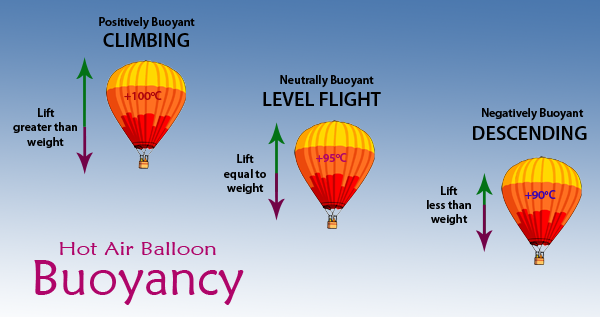
In this case, the weight of the balloon (blue arrow) is greater than the lift (red arrow). For air, we don’t know m directly, but since it is a constant we can combine it with the other constants. In effect, you'd have made a tiny little hot air balloon!
The ideal gas law states that the pressure times the volume is equal to the number of molecules times the gas constant ( r ) times the temperature. Now, according to pressure temperature law, the volume is constant and it is inversely related to the weight of the air, so volume decreases. Usually in examples of boyle's law, our teachers mention hot air balloon, that the size of balloon increases as pressure decreases.
When you fill the balloon with hot air it will eventually fill up all the way. Sometimes if you think of it in this equation it is a little easier to understand. To keep the balloon rising, you need a way to reheat the air.
The law that explains how hot air balloons work is the charles's law. But at as height increases pressure decreases because there are less molecules above us. The reason we know that the hot air is less dense than cool air is due to the ideal gas law.
So when the air inside the balloon expands, it becomes less dense and provides the lift for the hot air balloon. Jacques charles, a french physicist, discovered in the 1780s that heating a gas will cause it to expand by a certain fraction. As the air in the balloon cools, the pilot can reheat it by firing the burner.
So here we have the answer to your initial question “how do hot air balloons work?” how hot air balloons work is thanks to the hot air inside the balloon, produced by the burner. 1) a hot air balloon stays on the ground (or descends) when the air inside it is too cool. When gas in the balloon is allowed to cool down, hot air volume of gas decreases.
If gas expands when it is heated, a given weight of hot air occupies a larger volume then the same weight of cold.

How Hot Air Balloons Work - Gas Laws

Charles Law And Gay-lussacs Law Lets Talk Science
Hotair

Hot Air Balloons 3-how-hot-air-balloons-work-videohtm - Ppt Download
Hot Air Balloons By Carly Dusome
Gas Laws Hot Air Balloons By Jonathan Dauterman On Prezi Next
How Hot Air Balloons Fly
Ppt - Hot Air Balloons Powerpoint Presentation Free Download - Id2381691
How Do Hot Air Balloons Work A Helpful Guide With Pictures Outdoor Troop

How Do Hot-air Balloons Work By Ryan C

Section 2 Gas Behavior Objective What Gas Law Explains Why This - Ppt Video Online Download
Why Does Air Density Matter With Hot Air Balloons

Charles Law And Gay-lussacs Law Lets Talk Science
How Does One Calculate The Temperature Inside A Hot Air Balloon Using The Ideal Gas Law - Quora
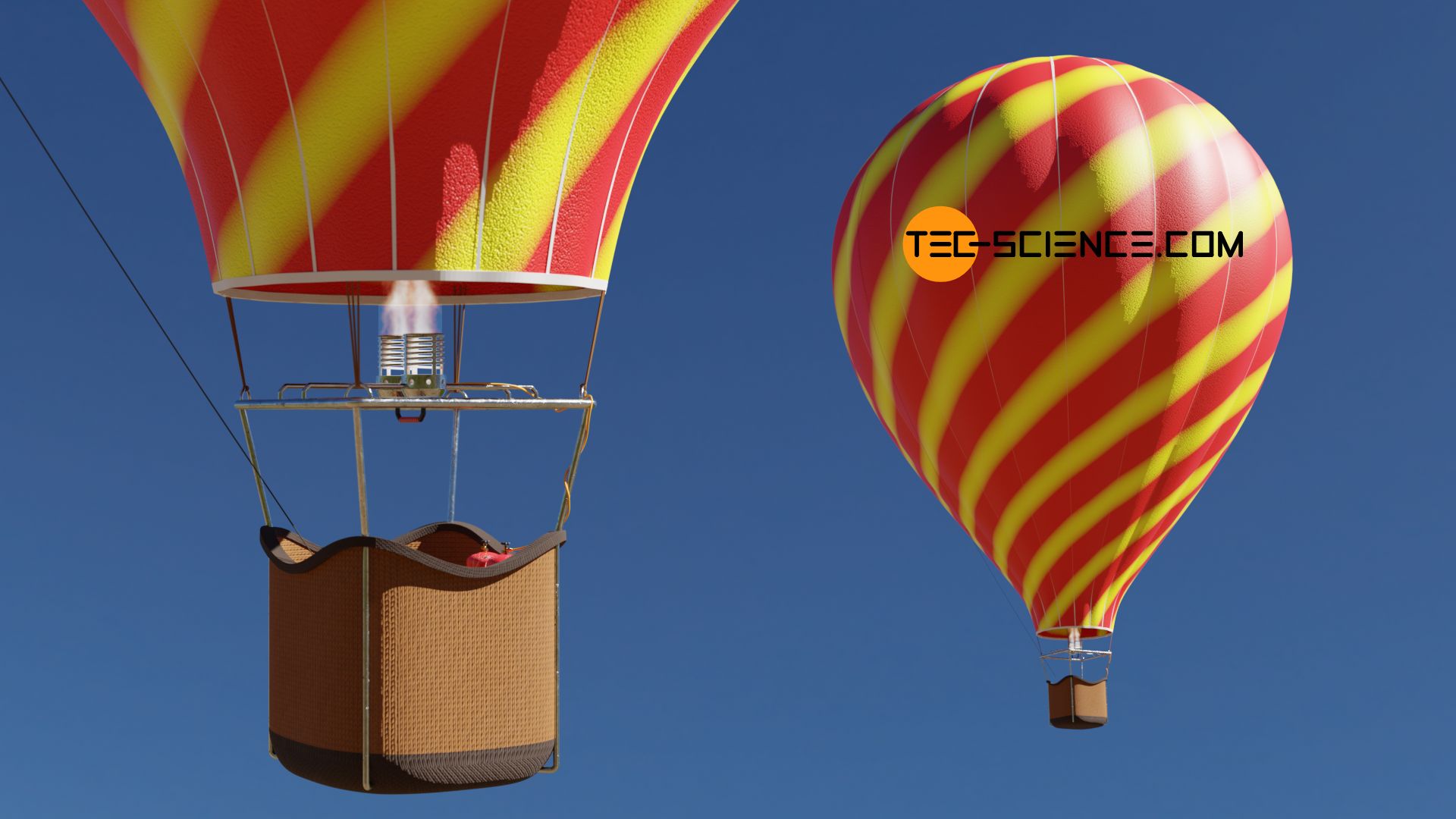
How Does A Hot Air Balloon Work Buoyancy In Gases - Tec-science

Air Pressure And Hot Air Balloons Hot Air Balloons Have You Ever Seen A Hot Air Balloon What Makes It Fly Through The Air Air Pressure Is A Big - Ppt Download
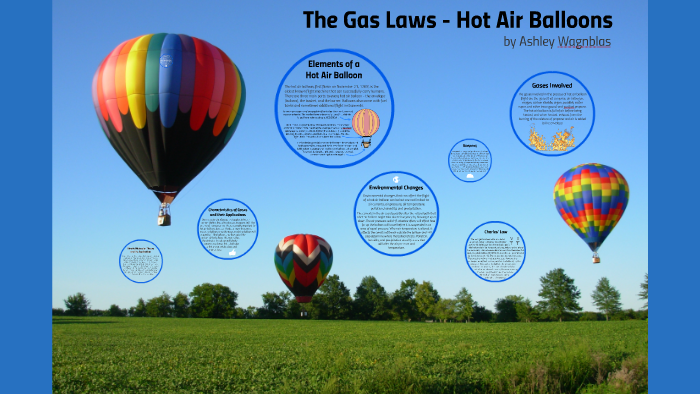
The Gas Laws - Hot Air Balloons By Ashley Wagnblas

Hot-air Balloons Hot-air Balloon A Large Balloon That Rises With The Aid Of Hot Air - Ppt Download
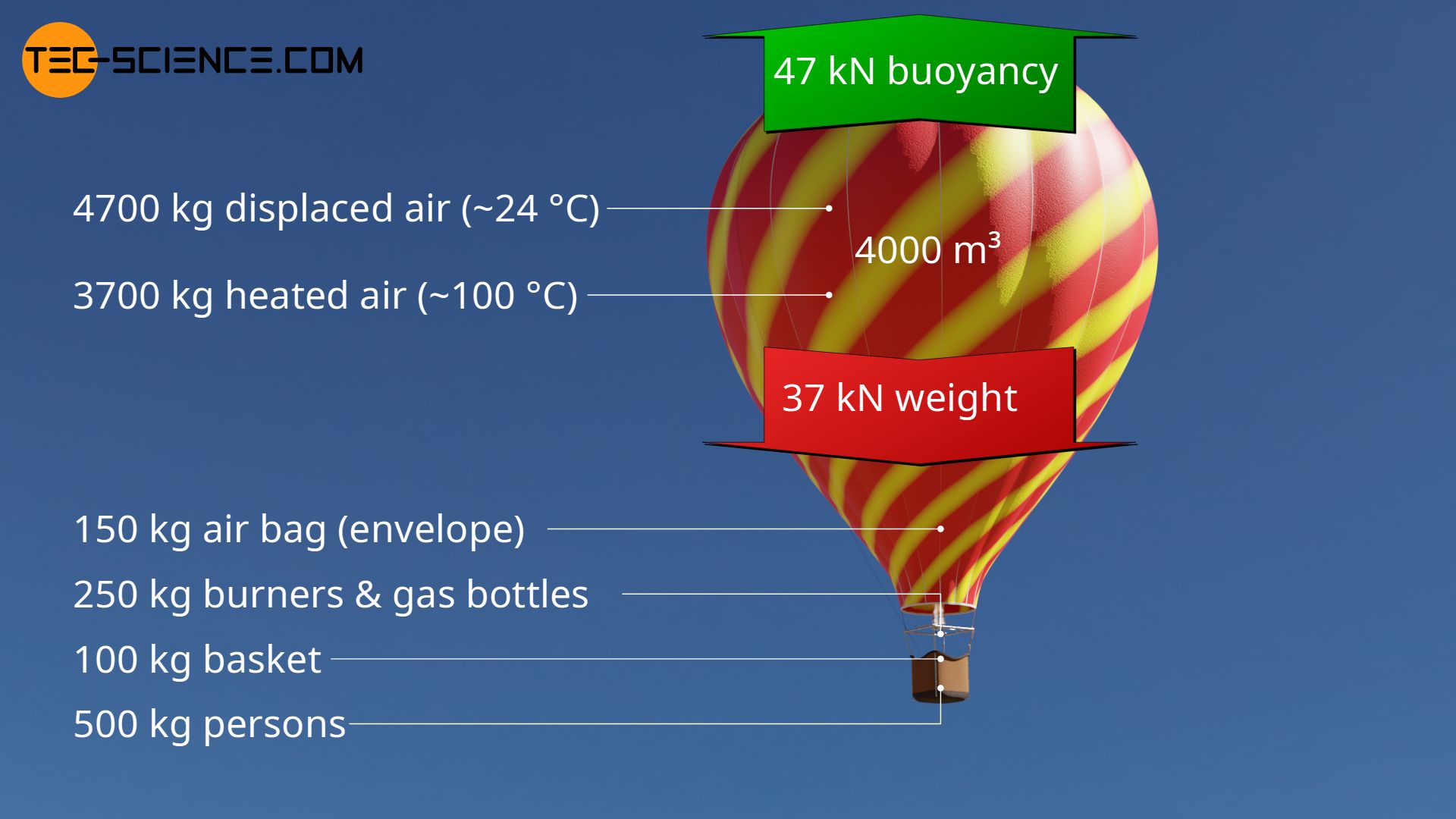
How Does A Hot Air Balloon Work Buoyancy In Gases - Tec-science
Comments
Post a Comment